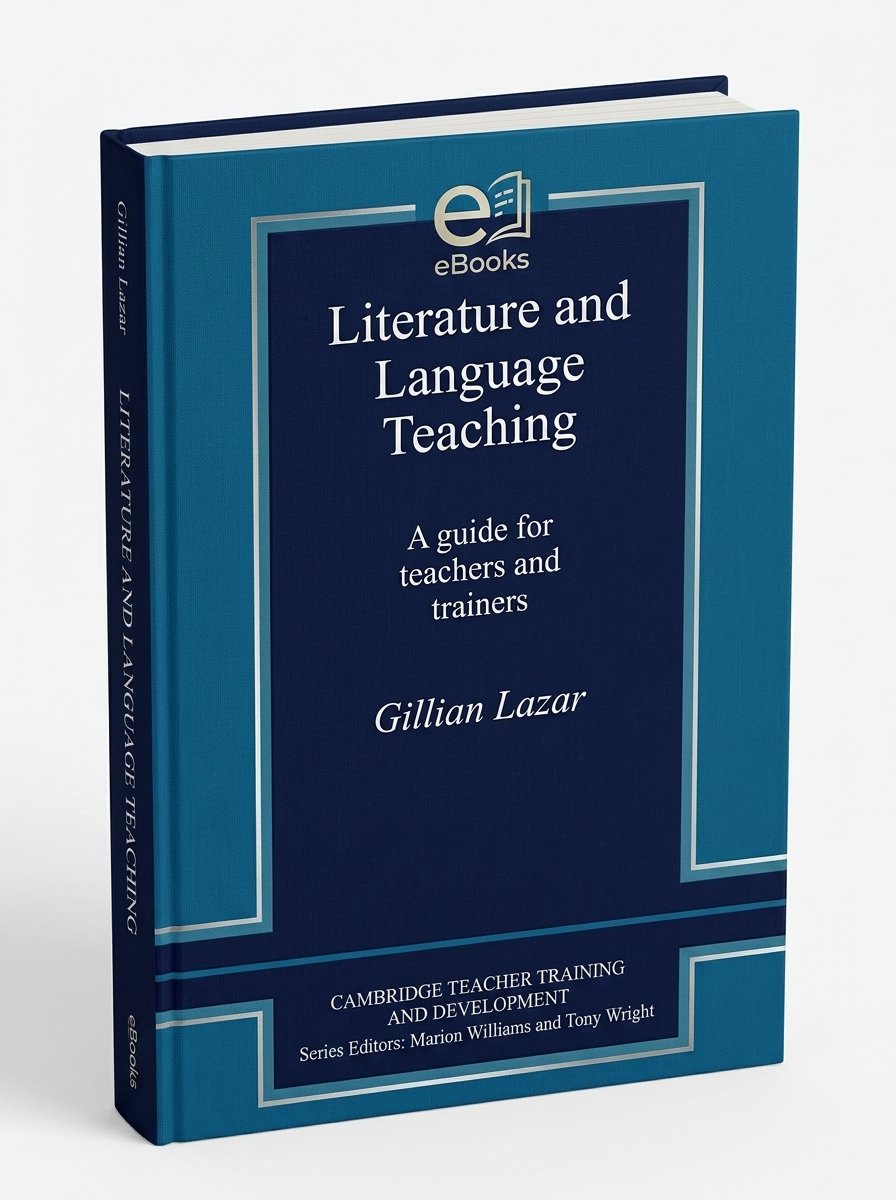
Literature and Language Teaching describes the integration of poems, short stories, and plays into language instruction to deepen linguistic and cultural awareness. Instead of treating literature as a separate, elite subject, it becomes a rich resource for authentic vocabulary, varied syntax, and emotional expression. Learners engage with narratives, characters, and themes, which spark discussion and interpretation. This approach moves beyond textbook dialogues, offering exposure to figurative language, tone, and register. By analyzing literary texts, students not only improve reading comprehension but also develop critical thinking and empathy, all while acquiring language in a memorable, context-rich environment.
Benefits of Literary Texts in Language Learning
Literature provides authentic, unscripted language filled with idioms, cultural references, and subtle meanings. It exposes learners to diverse writing styles—from conversational dialogue to descriptive prose—expanding their receptive and productive skills. Stories and poems also generate emotional engagement, making vocabulary and grammar stick more effectively. Furthermore, literature mirrors real-life ambiguity, training students to infer meaning from context. Unlike controlled exercises, literary texts motivate learners to discuss universal themes like love, conflict, or identity, thereby fostering higher-order thinking and natural, extended communication in the target language.
Classroom Activities Using Literature
Teachers can transform a short story into a role-play, where students act out a key scene using original dialogue. A poem might become a cloze exercise, with learners predicting missing words based on rhyme or rhythm. Character diaries, alternative endings, or “hot seat” interviews push students to rephrase literary events in their own words. For lower levels, illustrated fables or graded readers work well, focusing on sequence words and basic emotions. These tasks shift literature from passive reading to active language production, ensuring that grammar and vocabulary emerge organically from narrative engagement.
Integrating Language Skills Through Stories
Literary texts naturally combine listening, speaking, reading, and writing. A teacher reads a passage aloud (listening), students summarize it in pairs (speaking), annotate difficult phrases (reading), and compose a short reaction paragraph (writing). For example, after reading a folk tale, learners might retell it from another character’s perspective. This integration mirrors real-world literacy, where skills overlap. Moreover, literature’s repetitive structures—refrains in poems or recurring dialogue tags—reinforce syntax subconsciously. By weaving skills together, literature prevents the fragmentation common in conventional textbooks, offering a holistic language experience.
Overcoming Challenges in Literary Classrooms
Teachers often worry that literary language is too difficult or irrelevant. The solution lies in careful selection: short, contemporary texts with visual support or audio recordings. Pre-teaching key vocabulary, using graphic organizers, and allowing group work reduce frustration. Another challenge is time; however, even a four-line poem can spark a ten-minute discussion on mood or word choice. Assessment should focus on personal response—likes, predictions, comparisons—not on literary criticism. When adapted well, literature becomes a low-anxiety, high-reward tool, proving that authentic texts belong in every language classroom.